
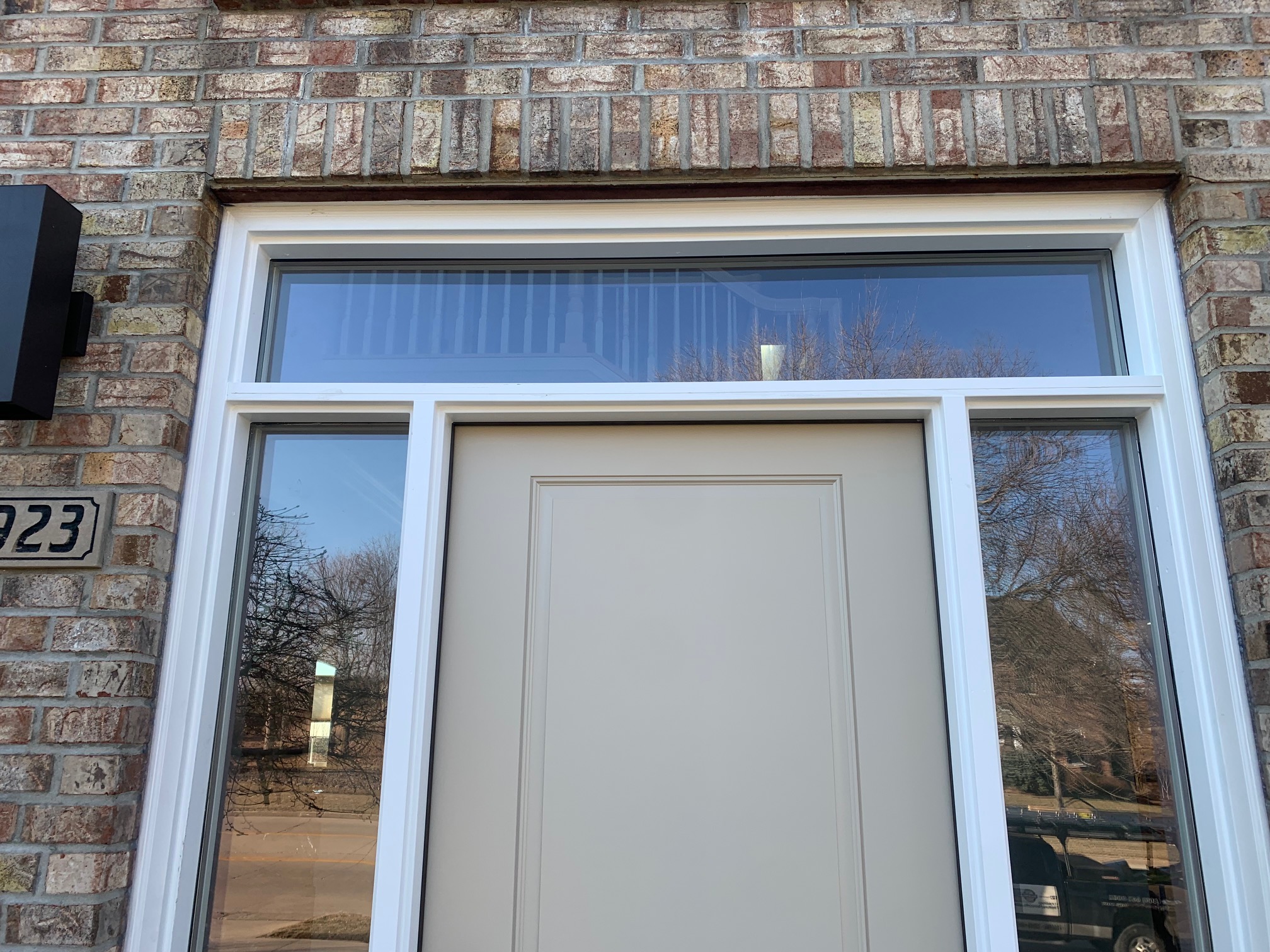


The lifespan of an entry door can vary depending on several factors, such as the quality of the door, the materials used, and the environmental conditions it is exposed to. However, here are a few signs that indicate it may be time to replace your entry door:
- Damage: If your entry door has visible signs of damage, such as cracks, warping, or rotting, it may be time for a replacement. Damaged doors can compromise security, insulation, and aesthetics.
- Drafts and Energy Efficiency: If you notice drafts around your entry door or experience difficulty maintaining a comfortable temperature indoors, it could indicate that the door’s weatherstripping or insulation is failing. Upgrading to a more energy-efficient door can help reduce heating and cooling costs.
- Security Concerns: If your current door is not providing sufficient security or has outdated locks and hardware, it may be a good idea to consider replacing it with a more secure option, such as a solid wood or steel door.
- Aesthetics and Curb Appeal: If your entry door is outdated, worn, or no longer matches the style of your home, replacing it can significantly enhance the overall look and curb appeal of your property.
- Difficulty in Operation: Doors that are difficult to open, close, or lock properly can be frustrating and indicate underlying issues. If adjustments and repairs don’t solve the problem, it may be time for a new door.
It’s important to note that these are general guidelines, and the decision to replace your entry door ultimately depends on your specific circumstances and preferences. If you’re unsure, it may be helpful to consult with a professional contractor or a door specialist who can assess the condition of your door and provide personalized recommendations.